


Karlsruhe Institute of Technology (KIT) – The University in the Helmholtz Association
In close partnership with society, KIT develops solutions for urgent challenges – from climate change, energy transition and sustainable use of natural resources to artificial intelligence, sovereignty and an aging population. As The University in the Helmholtz Association, KIT unites scientific excellence from insight to application-driven research under one roof – and is thus in a unique position to drive this transformation. As a University of Excellence, KIT offers its more than 10,000 employees and 22,800 students outstanding opportunities to shape a sustainable and resilient future.
KIT – Science for Impact.

Principal Investigator und wissenschaftlicher Koordinator des Projekts.
Karlsruher Institut für Technologie
Michael ist Professor für Regionalwissenschaften und Direktor des Instituts für Regionalwissenschaften am Karlsruher Institut für Technologie (KIT). In den letzten 20 Jahren hat er aktiv an Forschungsprojekten in Lateinamerika mitgewirkt. Derzeit koordiniert er auch die Forschungsprojekte "Contested Territories" und "Prefigure".

Doktorandin
Karlsruher Institut für Technologie
Dorothea ist Doktorandin und Dozentin am Institut für Regionalwissenschaften am Karlsruher Institut für Technologie. Ihre Forschung konzentriert sich auf verschiedene Aspekte der Wechselbeziehungen zwischen Mensch, Gesellschaft und Umwelt sowie auf Extraktivismus und das Konzept der Entwicklung. Sein Forschungsschwerpunkt liegt auf Lateinamerika, mit Untersuchungen zu Brasilien, Chile und Peru.
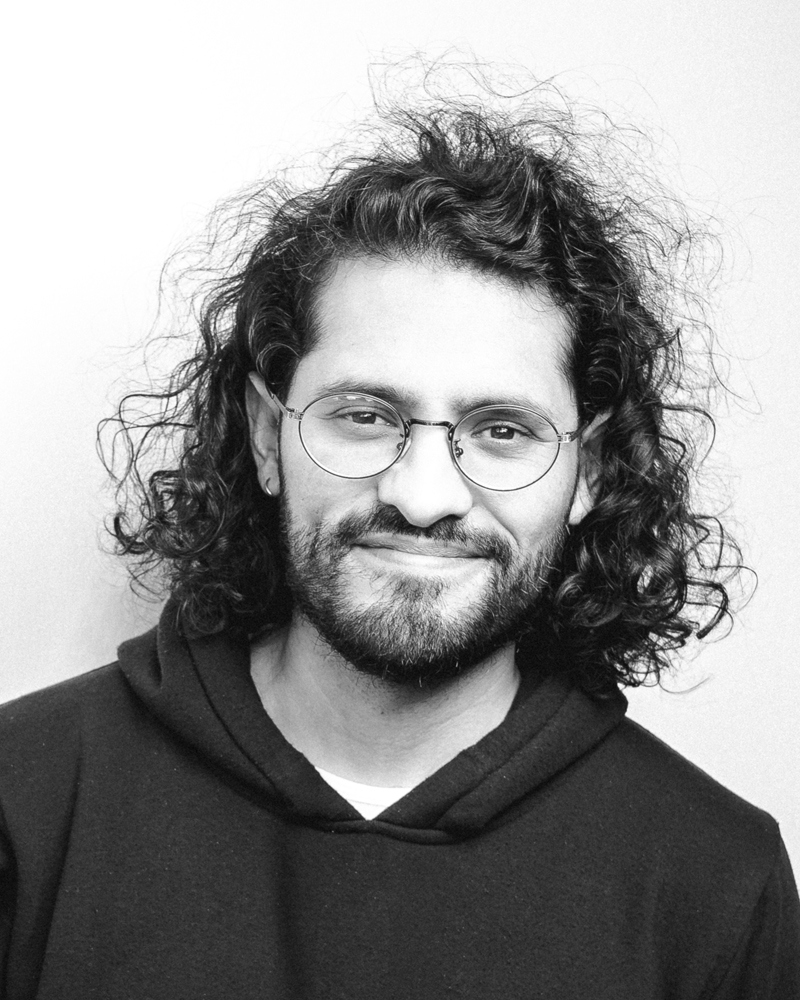
Francisco is a research assistant at KIT. He holds a Master's in Sustainability Science from Leuphana University of Lüneburg, Germany and a Master's in Human Ecology from Lund University, Sweden. His topics of research revolve around socio-ecological conflicts from the perspective of labour as well as the articulation of community alternatives to capitalist projects of development.
Learn more

Humboldt University of Berlin
The Humboldt-Universität combines academic excellence with social responsibility. Guided by Humboldt's legacy, it stands for free, independent research, research-based learning and an open exchange of knowledge with society. It offers space for diversity, critical debate and new perspectives – right in the heart of Berlin, with a global network. As a vibrant community, it actively shapes a sustainable, just and knowledge-based future.
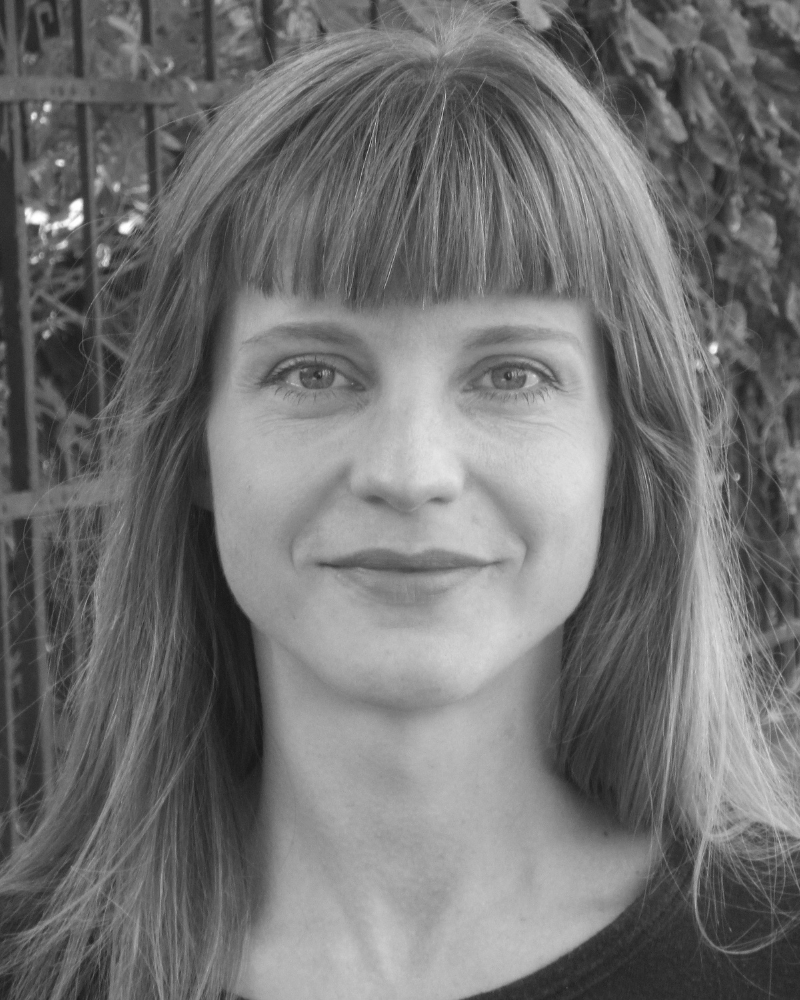
Principal Investigator und wissenschaftliche
Koordinatorin des Projekts.
Humboldt-Universität zu Berlin
Corinna ist Postdoktorandin am Institut für Geographie der Humboldt-Universität zu Berlin. Sie hat eine Ausbildung in Humangeographie, Soziologie und Wirtschaftswissenschaften. Sie verfügt über umfangreiche empirische Forschungserfahrung in südamerikanischen Ländern und in verschiedenen europäischen Kontexten.

University of Brasilia
The University of Brasilia offers free public education of excellence for Brazilian and foreign students, with a humanistic, embracive and plural perspective of citizens' rights. Our goals and our mission are to be a reference in teaching, research and community projects, contributing to global knowledge in an interconnected world.
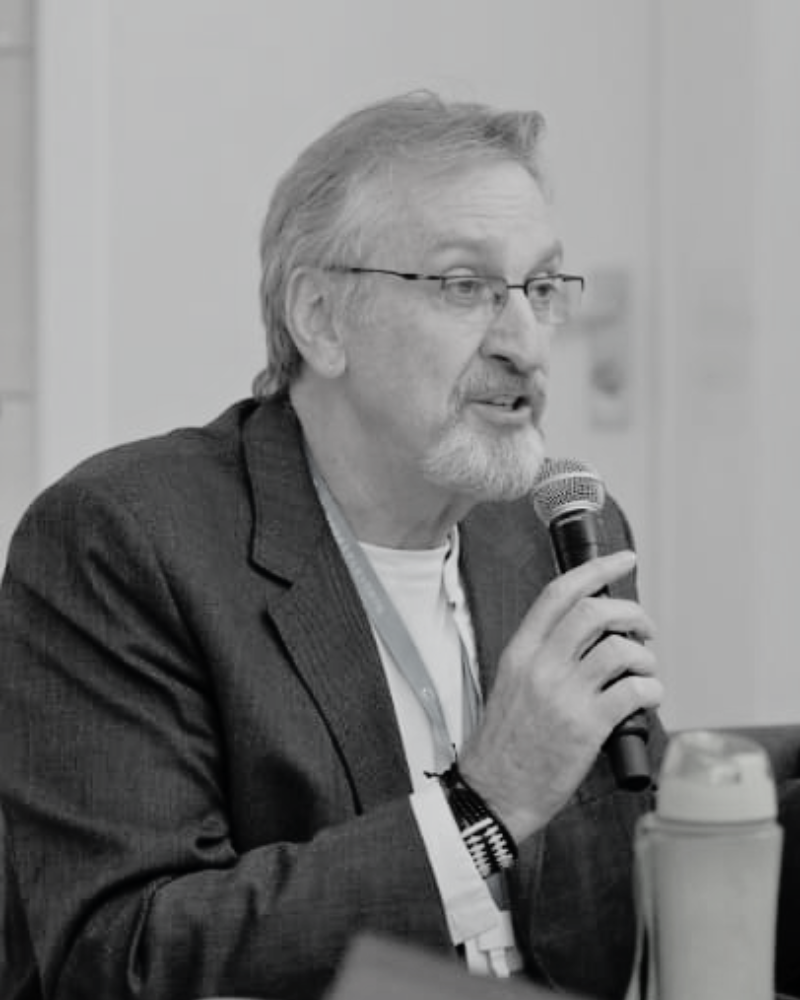
Principal Investigator
Universität von Brasilia
Sergio ist Associate Professor am Postgraduiertenprogramm für Umwelt und ländliche Entwicklung (PPG-Mader) und am Zentrum für nachhaltige Entwicklung (CDS/UnB) der Universität von Brasilia (UnB), Brasilien. Er ist Koordinator des Observatório de Conflitos Socioambientais do Matopiba (brasilianisches Cerrado-Biom).
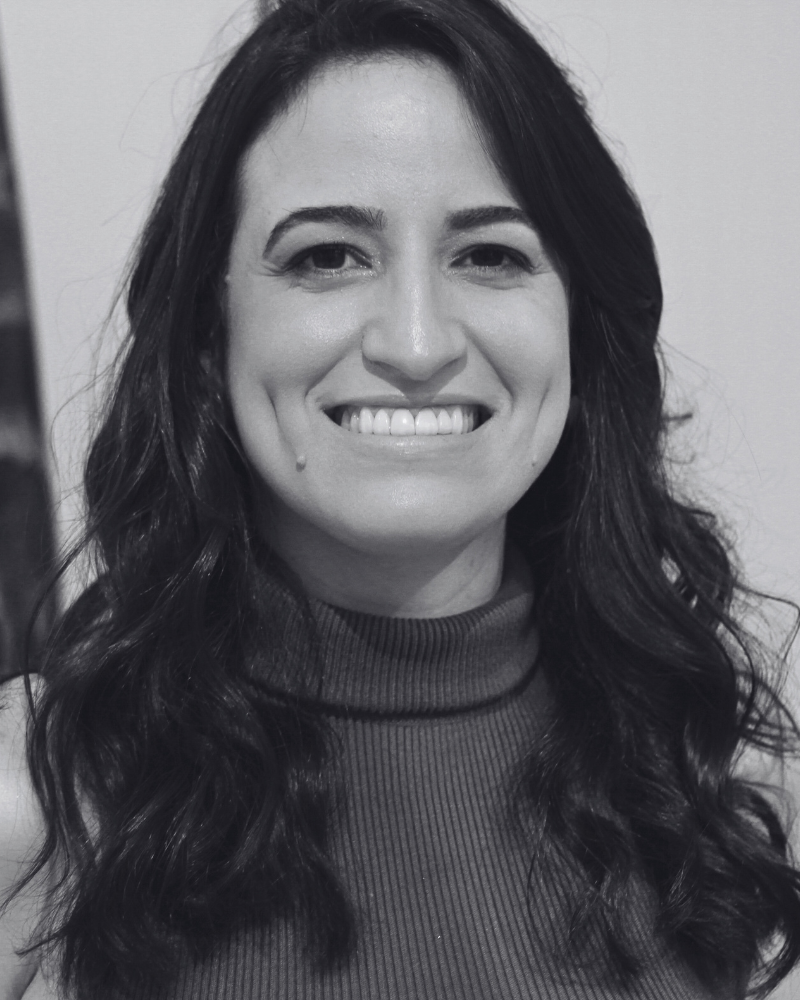
Postdoktorandin
Universität von Brasilia
Guadalupe hat einen PhD in Nachhaltiger Entwicklung von der Universität von Brasilia, Brasilien. Sie hat einen Master in Internationaler Zusammenarbeit für Entwicklung von der Universität Salamanca, Spanien, und einen Abschluss in Rechtswissenschaften von der Universität Tiradentes, Brasilien.

Social Scientist
University of Brasília
Milena de Oliveira Evangelista is Social Scientist at the University of Brasília. Development and Contradiction in Matopiba: Production and Accumulation of Wealth in a Territory of Hunger and Inequality.

PhD and Master's candidate
University of Brasilia
Vinícius Araújo is PhD and Master's candidate in Sustainable Development at the University of Brasilia. He is also graduate in Agribusiness Management from the same university. His research focuses on land conflicts and financialisation in the Matopiba region.
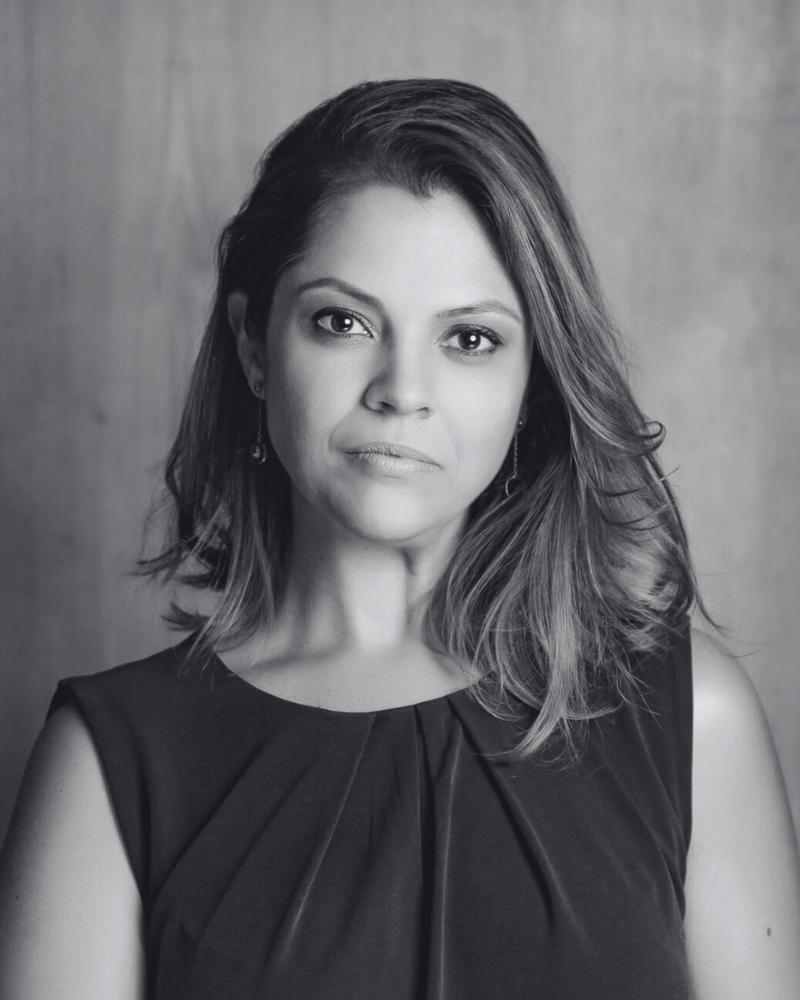
Doktorandin / Doktorand
Universität von Brasilia
Juliana ist Doktorandin in Nachhaltiger Entwicklung an der Universität von Brasilia. Sie ist auf Sozial- und Umweltrecht spezialisiert und hat in der strategischen Prozessführung und Rechtsberatung für zivilgesellschaftliche Organisationen gearbeitet. Sie ist Geschäftsführerin und Forscherin der Matopiba-Beobachtungsstelle für sozio-ökologische Konflikte.
University of Chile
The University of Chile was founded on the 19th of November, 1842. It is the oldest higher education institution in Chile. Generating, developing, integrating and communicating knowledge in all the areas of knowledge and culture are the mission and basis of the activities of the University. This makes up the involvedness of their work and directs the education they impart.
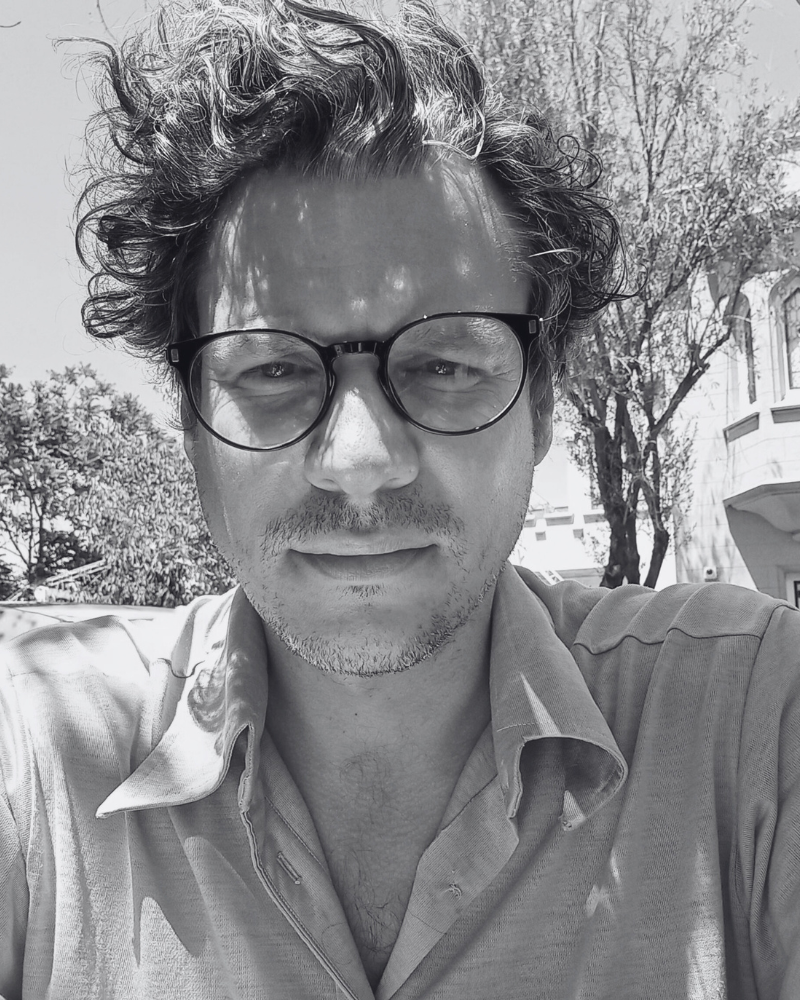
Associate Professor
Universität von Chile
Michael ist Associate Professor im Geographischen Institut der Universität von Chile, Associate Researcher am Centre for the Study of Conflict and Social Cohesion (COES) und Herausgeber der Zeitschrift Investigaciones Geográficas. Seine Forschung konzentriert sich auf die Überschneidungen der internationalen politischen Ökonomie der Städte, der politischen Ökologie der Städte und der Machtverhältnisse in der Stadtverwaltung und -planung in Lateinamerika und Chile.
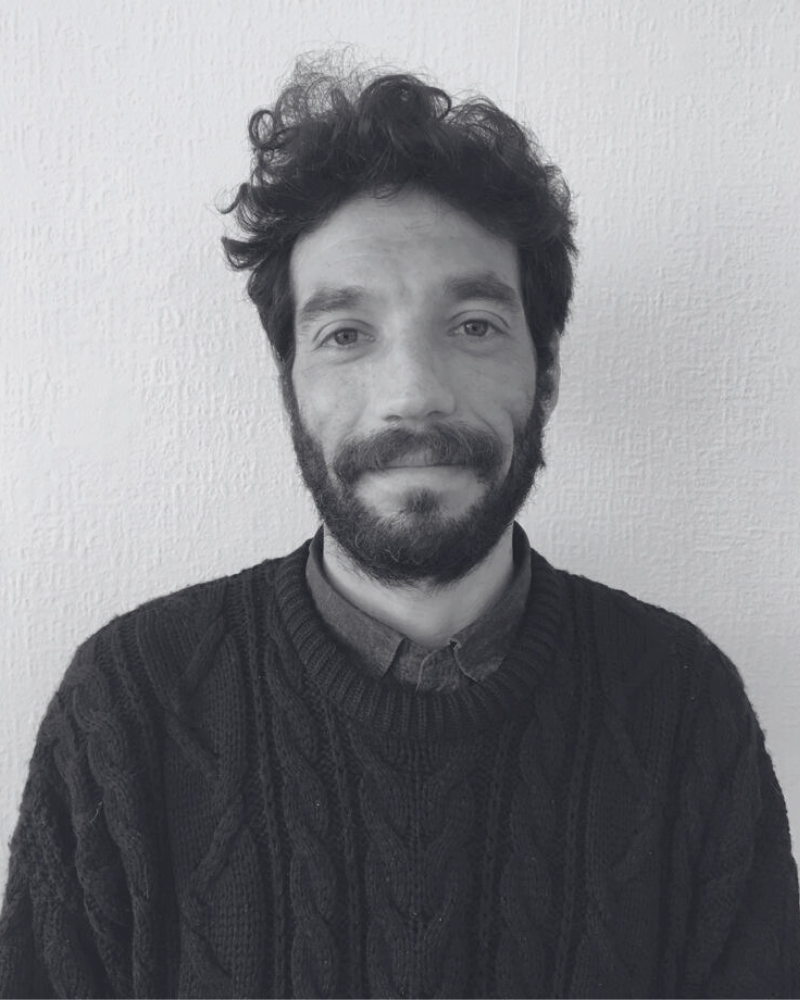
Postdoktorand/in
Universität von Chile
David ist Postdoktorand im Fachbereich Geografie an der Universität von Chile. Er hat einen Doktortitel in Sozialwissenschaften, einen Master in Wirtschaftsgeschichte und einen Bachelor in Politikwissenschaften. Er war ein beliebter Pädagoge und hat in der Lehre (Schule und Universität), Forschung und Beratung für nationale und internationale Institutionen gearbeitet.
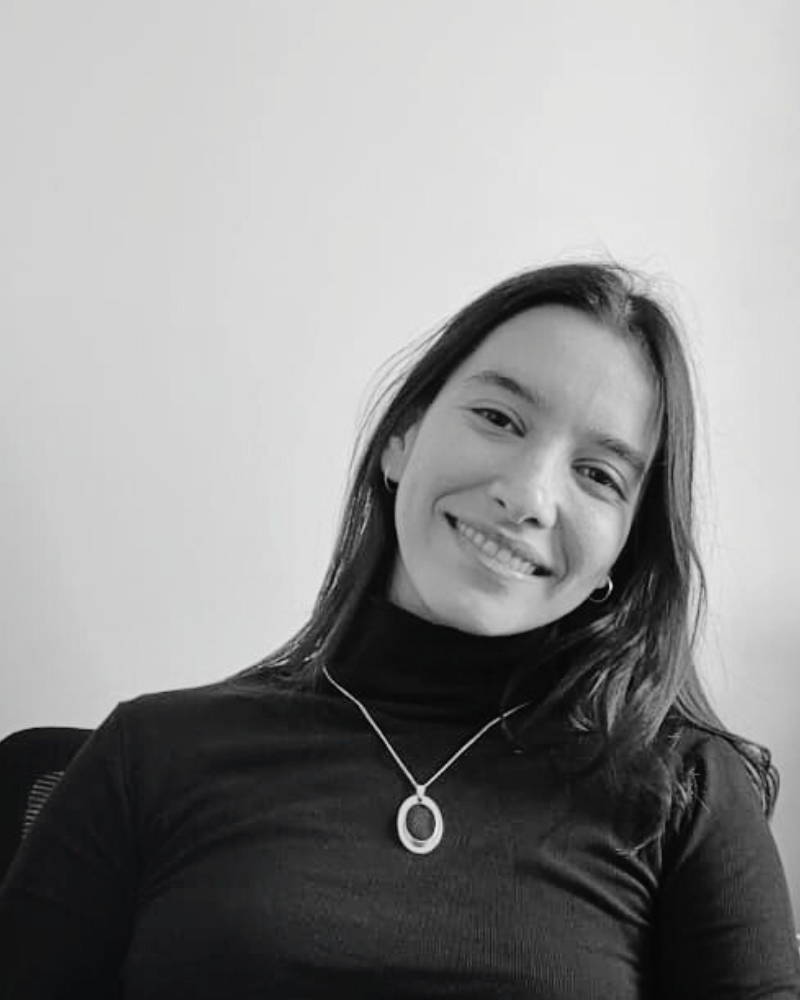
Doktorandin
Universität von Chile
Claudia ist Doktorandin am Centre for Environmental Law (CDA) und an der Abteilung Governance and Policy Science Interface des Centre for Climate Science and Resilience (CR2). Sie hat einen Master-Abschluss in Landnutzungsplanung und Geografie und ein Diplom in Umweltrecht.

El Colegio de México
El Colegio de México is an outstanding social science and humanities research and teaching institute and has received numerous awards since its inception in 1940. The institution operates as a small public university and research center with a highly specialized faculty, an excellent academic library and a program of high level seminars and conferences on cutting edge issues of the contemporary world as well as in many academic disciplines.
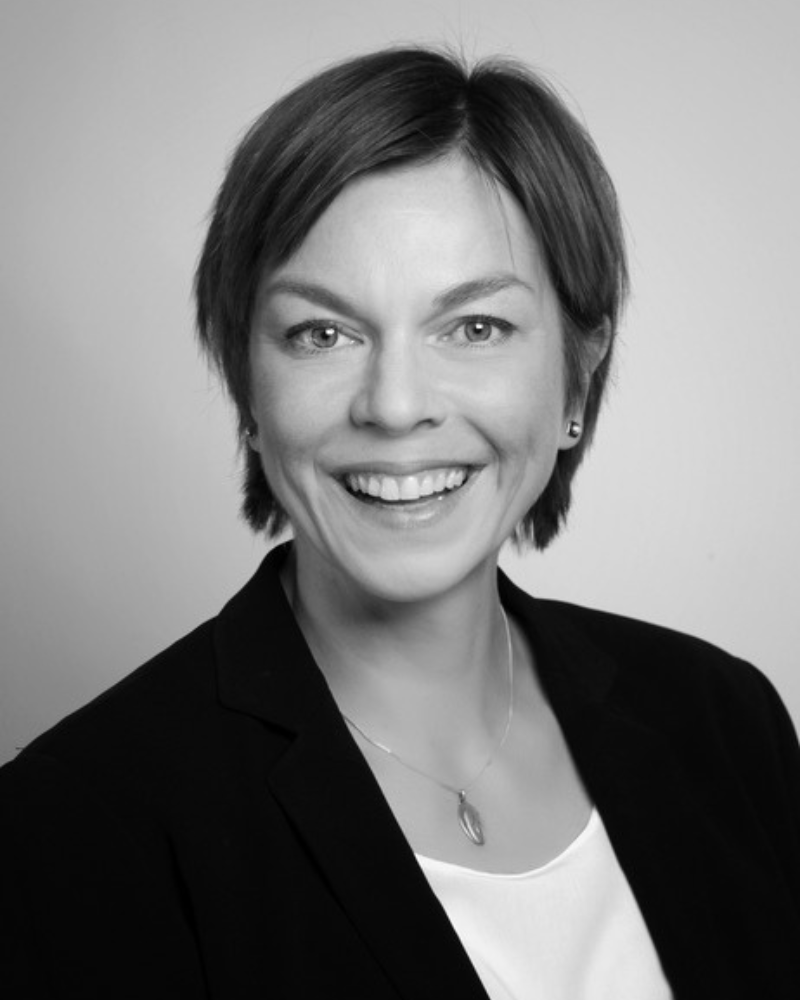
Principal Investigator
El Colegio de México
Nadine Reis ist Forschungsprofessorin am Zentrum für demografische, städtebauliche und umweltbezogene Studien am El Colegio de México. Sie ist eine Nationale Forscherin der Stufe I des mexikanischen Nationalen Forschersystems (SNI).
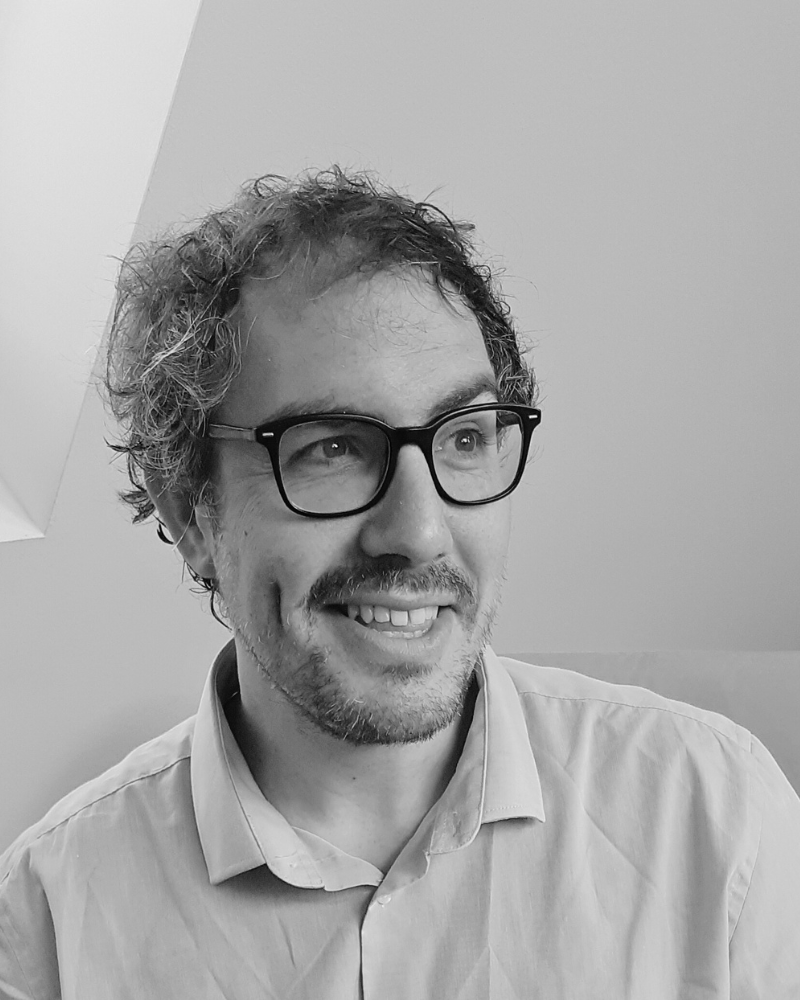
Postdoc-Forscher
El Colegio de México
Manuel hat 12 Jahre lang an verschiedenen ecuadorianischen Universitäten gearbeitet, wo er über den Amazonas geforscht und an geografischen Kollektiven teilgenommen hat. Er ist Mitautor des Buches "Der Dschungel der weißen Elefanten" und Mitherausgeber der Bücher "Kritische Geographie, um Enteignung zu stoppen", "Die Ausbeutung des Yasuní inmitten des weltweiten Ölpreisverfalls" und " Körper, Territorium und Feminismus".
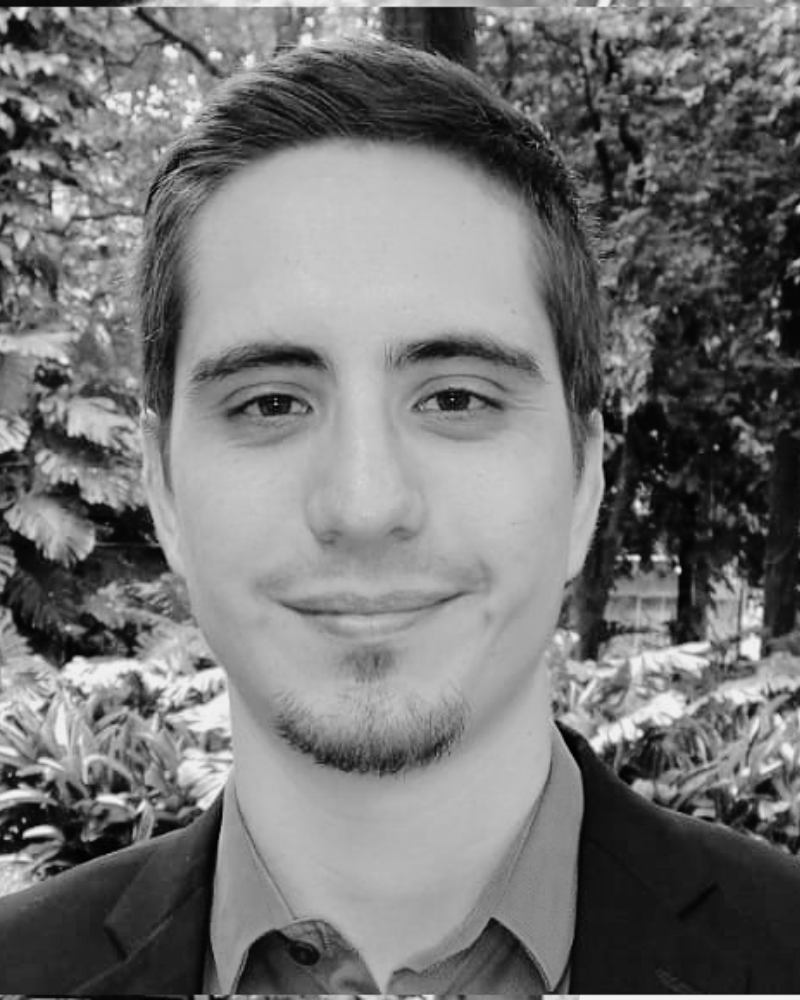
Doktorand
El Colegio de México
Santiago hat einen Master-Abschluss in sozio-räumlichen Studien. Derzeit promoviert er in Stadt- und Umweltstudien am El Colegio de México. Seine Interessen sind kritische Studien über Stadt, Wohnen, räumliche Gerechtigkeit und territoriale Entwicklung.