
Case study regions
Matopiba, Brazil: The agribusiness-urbanization nexus
Matopiba is experiencing a sharp increase in agro-industrial activities, and is becoming the main component of wealth production in the region. In this case, the research project studies how food production chains are structured between meat processing companies, soybean supply and landowners, as well as their main spatial strategies at local, regional and international scales.
Antofagasta and Santiago de Chile, Chile: The mining-urbanization nexus
While some of Chile's main copper mines are located in the mountains of the Antofagasta region, produced wealth circulates and is deployed in the city of Antofagasta and, especially, in the country's capital, Santiago de Chile. In this case, the research project studies the complex production chain linked to mining, which is related to the construction of ports, desalination plants, transportation, and urban and regional planning, which on a national scale is connected to the financial, real estate and telecommunications sectors.
Yucatan Peninsula, Mexico: The nexus between tourism and urbanization
The Yucatan Peninsula has become a paradigm of its insertion into world markets through multiple investments by local, national and international investors, especially in the tourism sector. In this case, the research project studies how tourism financing and investments are linked to the creation of new urban spaces that require different service and transportation infrastructures.
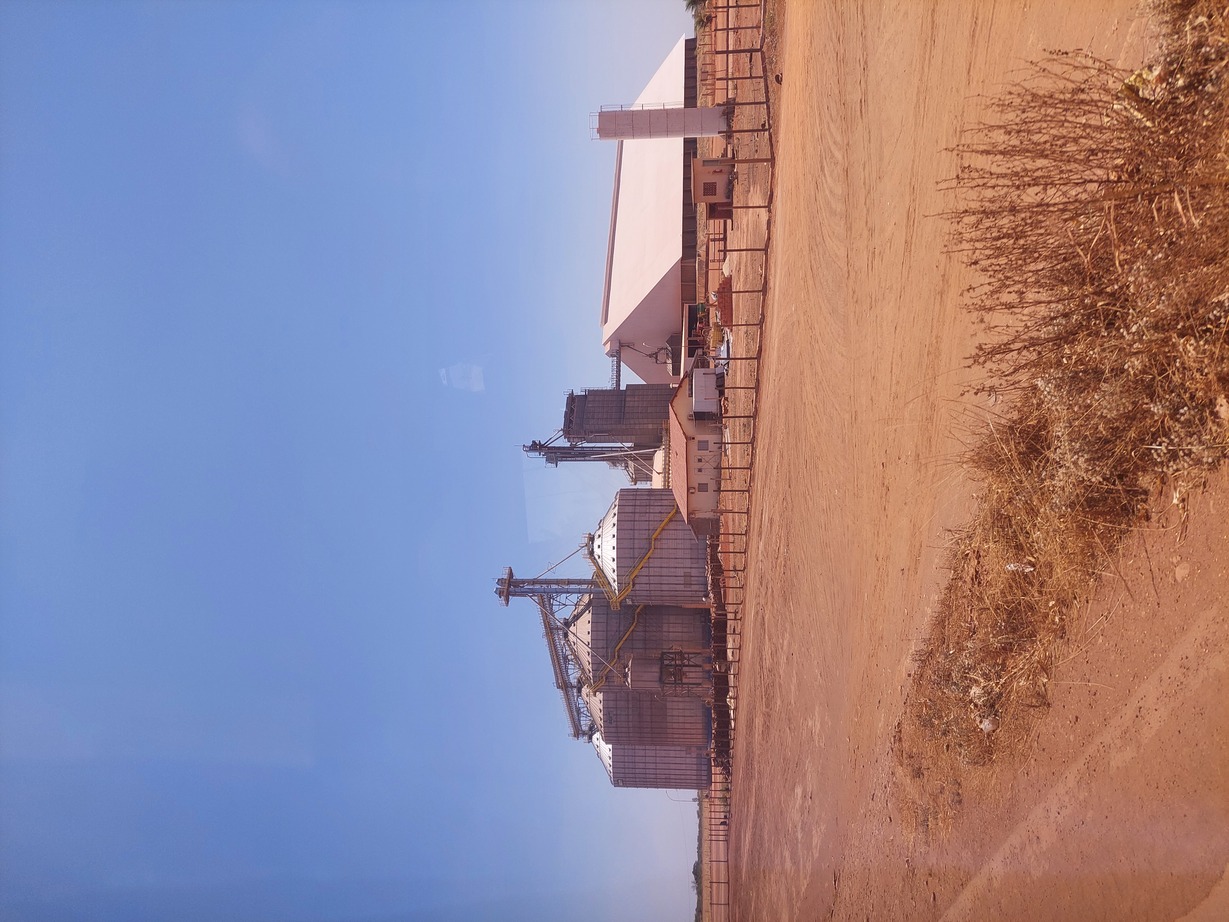
Matopiba: the agribusiness-urbanization nexus
Learn more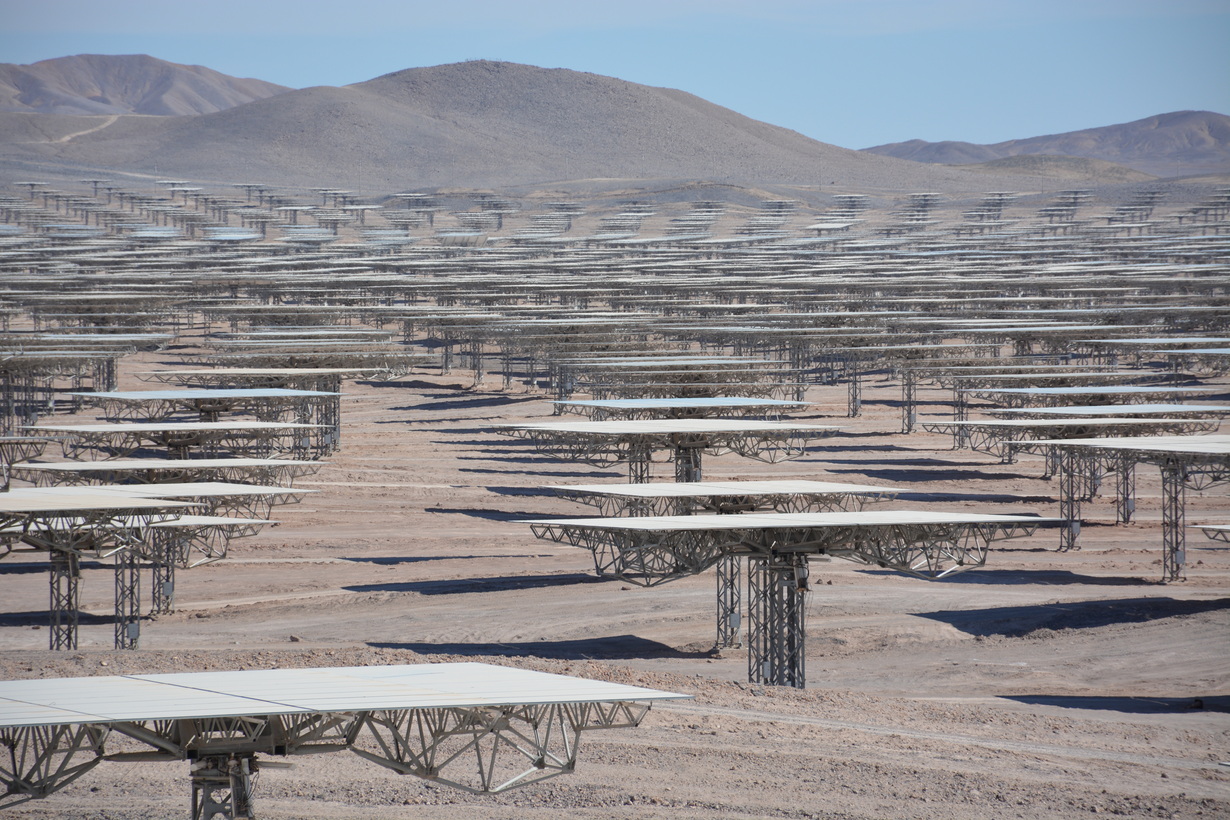
Antofagasta and Santiago de Chile: the mining-urbanization nexus
Learn more
Yucatan Península: The tourism-urbanization nexus
Learn more