
The mining-urbanisation nexus in the region of Antofagasta, Chile
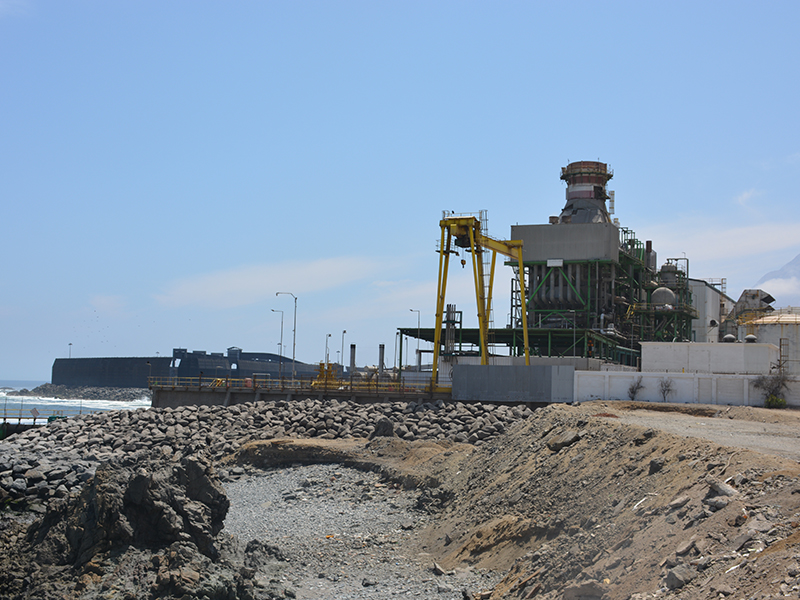
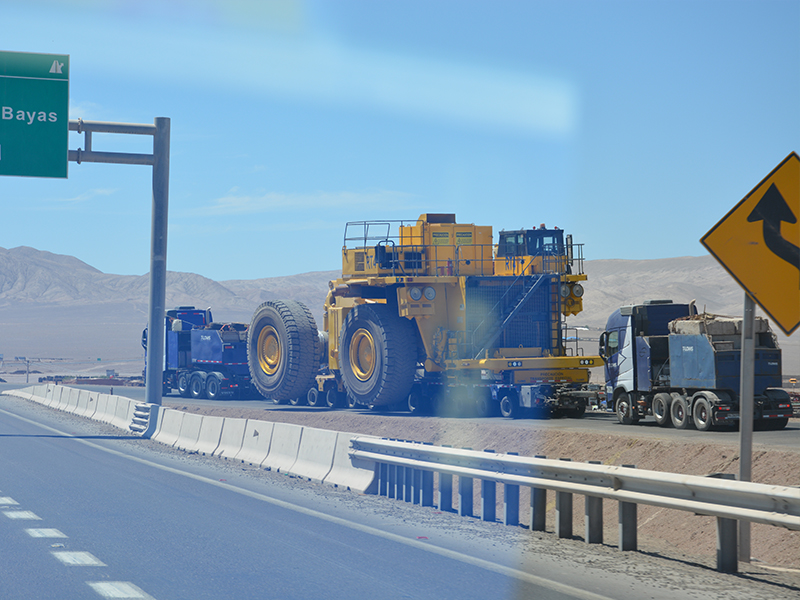
Antofagasta is not only the world’s largest copper producer and the second-largest lithium producer. It has also become a strategic node for the global green energy transition. Some major Chilean copper mines as well as increasing renewable energy capacities are located in the Andean hinterlands of Antofagasta.
The produced wealth is invested in the city of Antofagasta, yet on a larger scale, it is managed and reinvested in the country’s capital city, Santiago. Hence, both cities play core operational, logistical and financial functions for the extraction, circulation and accumulation of wealth.
Key Actors
One of the operational centres of this extractive system is the Chilean Luksic Group, which controls companies in a wide array of sectors, from mining, finance and banking, to telecommunications and transportation. Other major players with similar spatial reach and strategies are the transnational BHP Billiton, which in Chile runs the largest private copper mine, desalination plants and is heavily involved in urban and regional planning.
The case study analyse the strategies of principal actors of the extractive system to intervene in the production of space in the fields of urban/regional planning, governance and real estate business, and through this, produce and maintain control over the corresponding circuit of extraction.