Point of Departure
Wealth & Space tackles important knowledge gaps of how contemporary capitalism unfolds in and across space by introducing spatial dimensions into wealth research. It provides novel understanding on how producing and controlling space is co-constitutive for the genesis and reproduction of wealth.
Main Research Question
How do Latin American economic groups organise specific circuits of extraction including urban spaces and reproduce uneven development and dependency?


Research Objectives
1. To study the economic and spatial processes creating the conditions for wealth accumulation through different forms of extractivism in Latin America
2. To investigate the role of key actors in the production and contestation of space and wealth
3. To promote transparency by setting up "Geographies of Wealth", a platform for critical research on territorial power run in cooperation with local actors.
Work package 1: A methodology to study large business groups
Wealth & Space encompasses three key work packages. The first work package constitutes the core empirical-analytical phase of the project, aimed at building a robust framework for the comparative study of wealth, economic groups, and accumulation dynamics in Latin America. Its main objective is to define, validate, and articulate a mixed-methods approach capable of analyzing the structure, control, and strategies of large business groups from a regional and multiscalar perspective.
This work package establishes the project’s conceptual and methodological foundations, integrating debates on elites, wealth accumulation, extractivism, and Latin American capitalism, alongside a critical assessment of available empirical tools. The work package starts from the recognition of the structural limits of existing corporate data and the need to combine standardized quantitative sources with in-depth qualitative evidence to capture spatial, sectoral, and financial patterns of accumulation.
In this sense, this work package defines an analytical design oriented toward regional comparison, focusing on mechanisms of participation, control, and financing of economic groups, as well as on the role of foreign capital. The work package thus sets the analytical conditions for understanding contemporary forms of Latin American capitalism and their territorial expressions.
Work package 2: Regional in-depth analysis of wealth and space
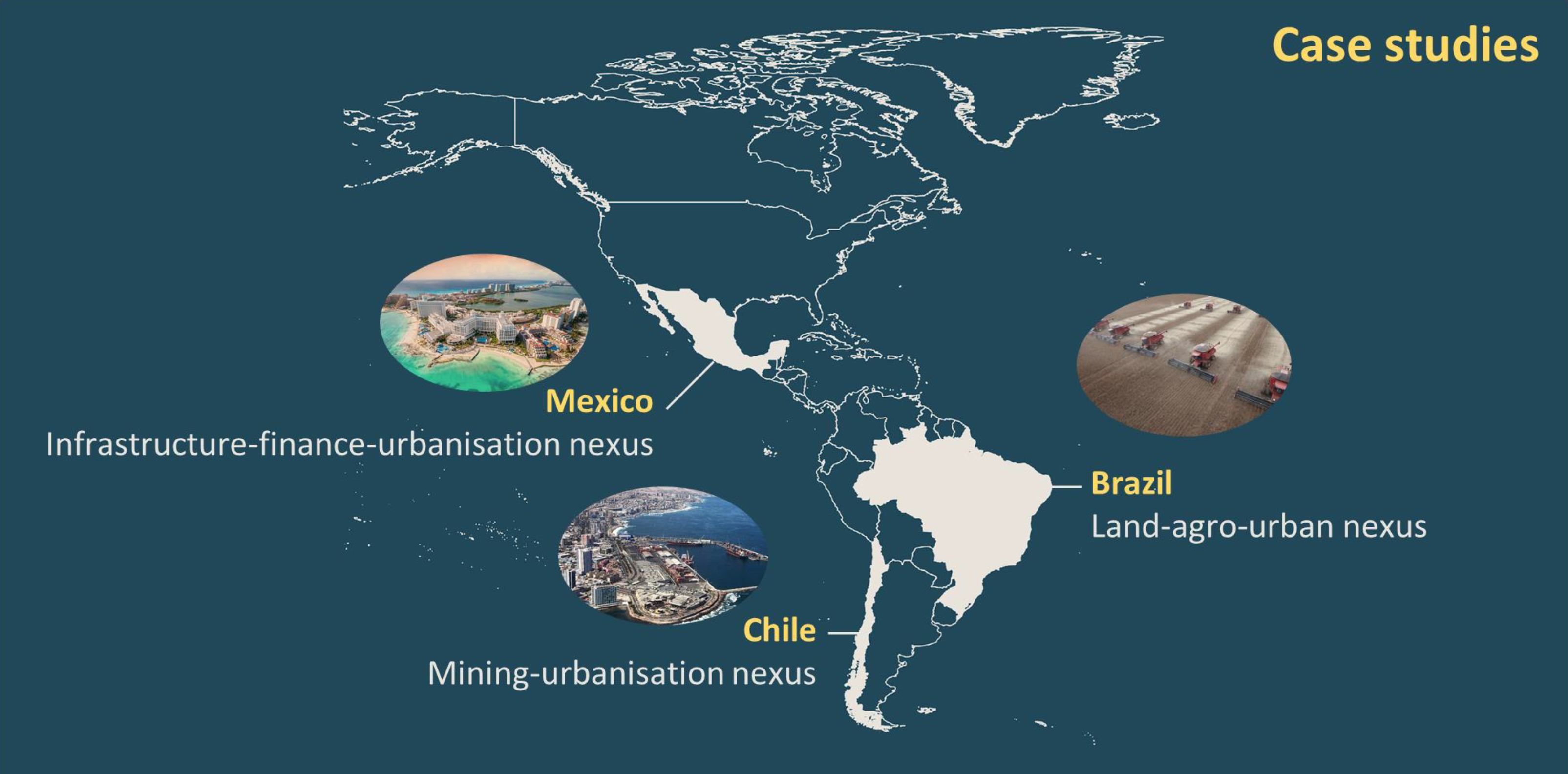
The second work package aims to critically investigate the agency (governance processes, territorial production strategies, power dynamics) and contestations of key actor groups during the most recent phases of extractive modernization in Chile, Brazil and Mexico. Starting from the idea of circuits and territories of extraction, the comparative research focuses on three dimensions:
# 1: Financialisation
Processes and effects of financialisation in agro-business, tourist and mining regions: vehicles and instruments, influence of local material conditions, role of economic groups and territorial consequences.
# 2: Green extractivism
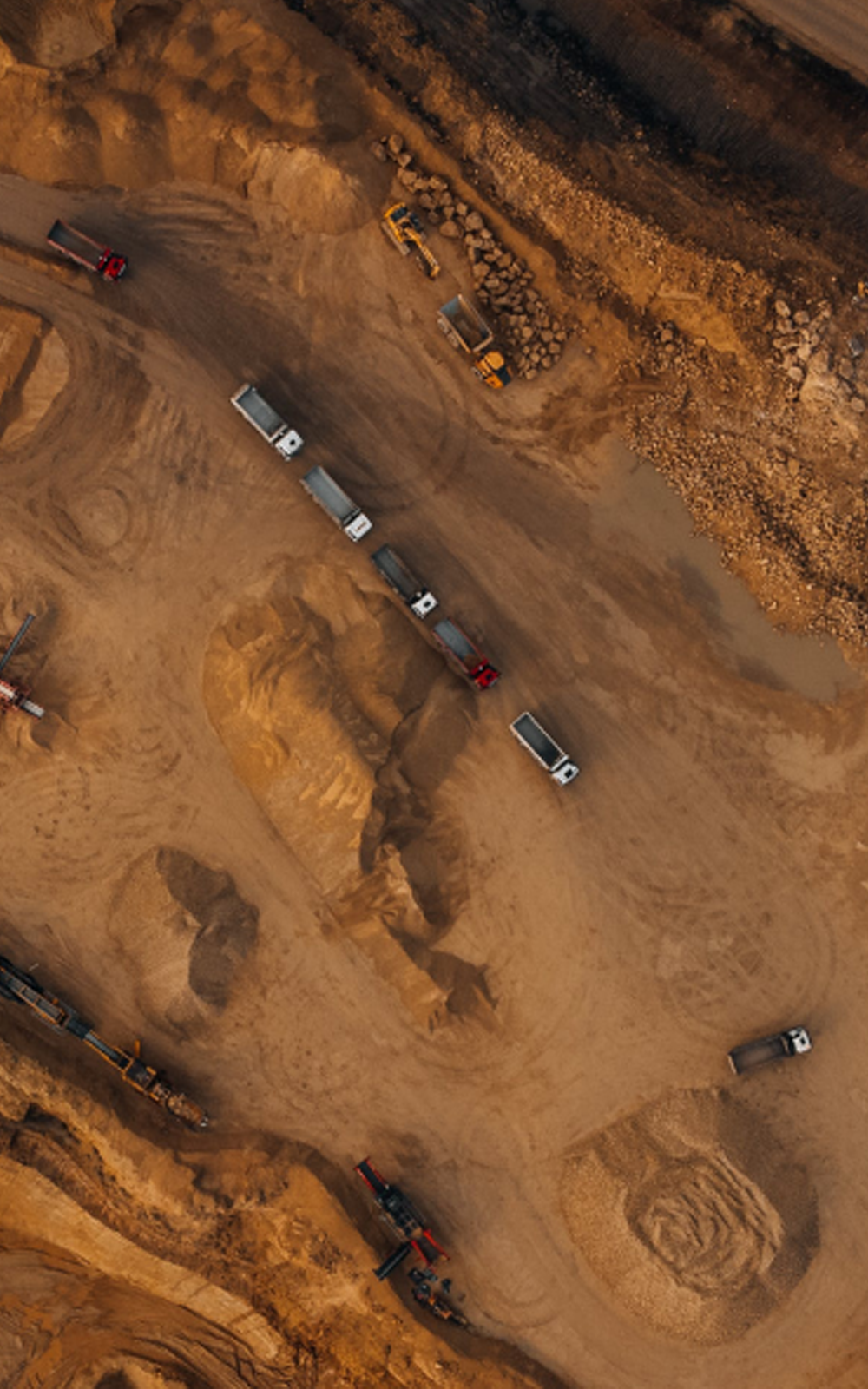
The capitalization of nature as a way to face ecological crisis in agro-business, tourism and mining: natures being appropriated and produced, socio-ecological limits to accumulation and new cycles of extraction.
# 3: Contestations and alternatives
The contestations resulting from existing and new regimes of accumulation in agro-business, tourist and mining regions: governance, actor constellations, conflicts and emerging socio-ecological transformation pathways.
Work Package 3: "Geographies of Wealth. Platform for Critical Research on Territorial Power."
The final work package involves setting up "Geographies of Wealth" a platform for critical research on territorial power. Based on the findings obtained during the project, the platform is a dynamic, interventionist platform designed to promote social change and to de-naturalise and re-politicise the entrenched systems of wealth extraction and concentration that characterise the three case study regions. This mission is realised through in-depth analysis of the strategies employed by national and international economic groups, carefully documenting the specific mechanisms of dispossession and environmental degradation produced. In this way, the Observatory reveals the harmful geographies of accumulation and makes them actionable.
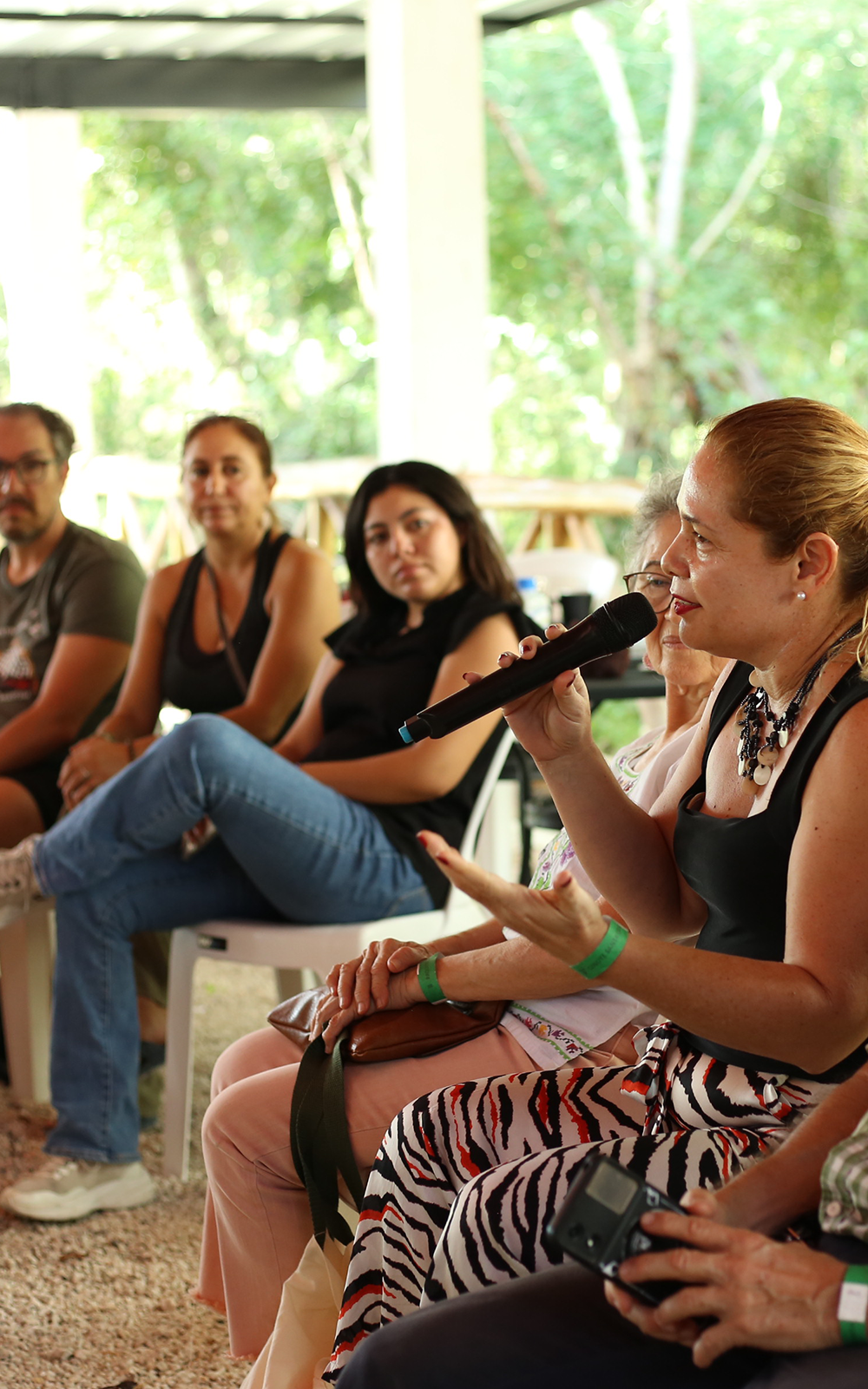
At its core, Geographies of Wealth bridges the gap between academic research, social movements and local communities. It fosters vital inter-epistemic dialogue, challenging traditional epistemic hierarchies and ensuring that knowledge production is collaborative, decolonial and situated. Using transdisciplinary tools such as counter-mapping and community-based wealth mapping, the platform empowers local stakeholders to reclaim agency over their spatial realities. Ultimately, it serves as an infrastructure for collective learning and political articulation. It provides the analytical tools necessary for co-creating fairer, post-extractive futures across Latin America, and aims to set an example for global struggles against injustice. Geographies of Wealth will be published online in September 2026.