
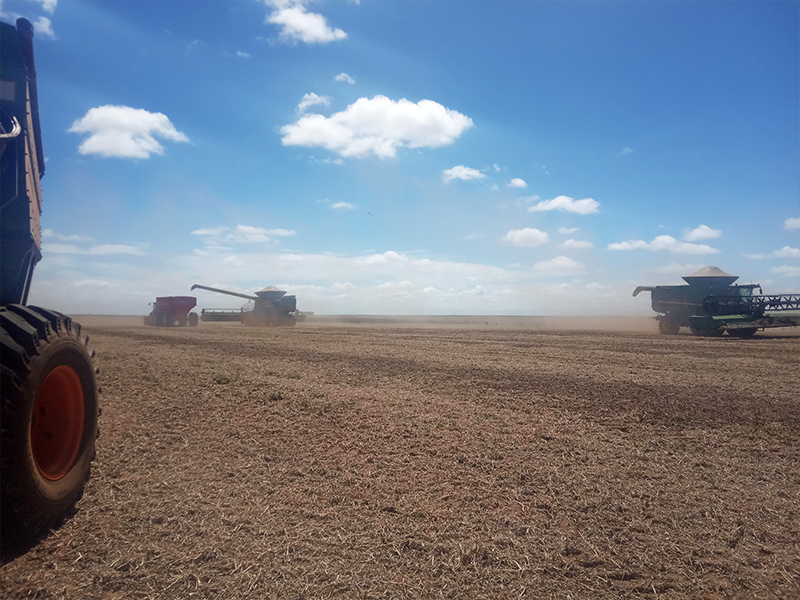
Environment and Agriculture
Universidad de Brasília, Course of the Postgraduate Programme in Sustainable Development (PPGCDS), 02-07/2026, Sérgio Sauer
The course aims to critically reflect on the "industrial agriculture" of the Green Revolution and the expansion of the agricultural frontier, studying the social, economic, environmental and cultural consequences in food production (food security and sovereignty) and for rural populations.
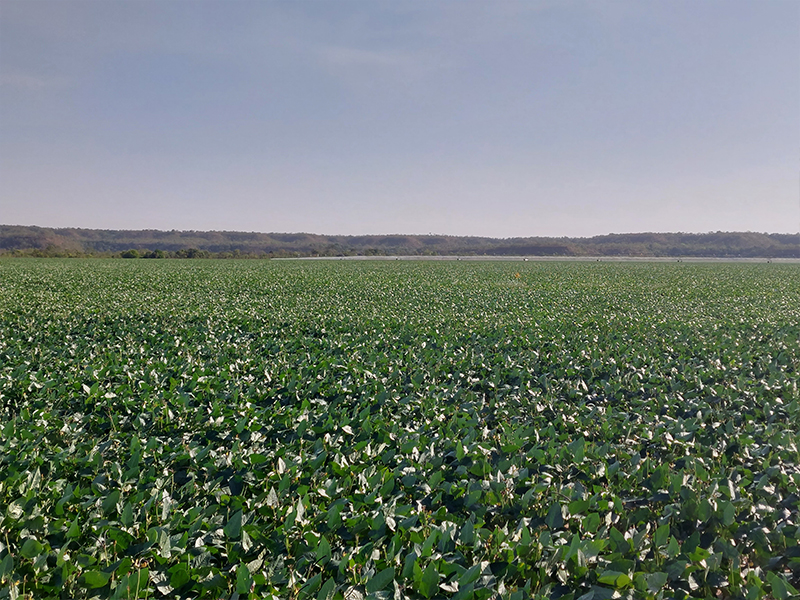
Interdisciplinary Fundamentals in Science, Technology and Agricultures
Universidad de Brasília, Course of the Postgraduate Programme in Environment and Rural Development (PPG-Mader), 02-07/2026, Sérgio Sauer
Research on the conceptual and epistemological foundations of science, technology and agriculture; techno-science in the agri-food system; knowledge production in the field of family farming and sociobiodiversity; technical changes and the organisation of work and the expansion of the frontier in the Cerrado (and Matopiba) and the Amazon, identifying the production and accumulation of wealth in the territories.
Gaming as a means of exploring (post-)extractivism in Latin America
Humboldt-Universität zu Berlin, Urban Geographies Master of Arts, student research project, 04-09-/2026, Corinna Hölzl, Tomás Usón
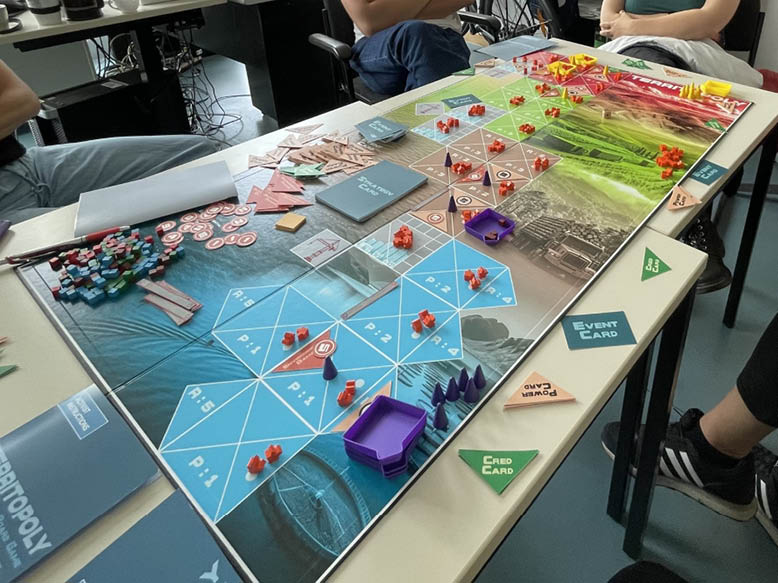
Gaming has become a significant field of exploration in human geography, as it opens up alternative approaches to critical analysis, conceptual work and ethical debate. This perspective is particularly important for understanding extractivist regimes, in which global processes of territorial exploitation are often obscured by the fragmentation of production processes. The resulting fragmentation makes it difficult to visually represent the spatial interconnections surrounding raw material extraction, as well as their ecological, social and political consequences, in a systemic manner. The design, implementation and use of games can help to reveal these hidden connections and reflect on them critically. This student project, offered as part of the Master’s programme “Urban Geographies” introduces gaming as an innovative method for exploring (post-)extractivism in Latin America. Inspired by ethnographic work in recent years, which conceives of gaming both in its design and in its application as a space for critical reflection, the seminar aims to open up a space for thought and experimentation to investigate regimes of (post-)extractivism. Latin America serves as a case study due to the region’s global role in the extraction of raw materials. The board game Territopoly, developed as part of the Wealth & Space research project, serves as the central tool for the empirical work in the study project. Other approaches or students’ own game developments are also possible. About the game: Territopoly is a strategy game about power struggles and political decisions in a resource-rich country in the Global South. Two powerful entrepreneurs compete to exploit mineral resources and control territories. Two governors support them, but a courageous group of activists stands in their way. At the same time, an influential media mogul decides who is in the right and shapes public opinion. Players take on one of these roles and must act skilfully, as sudden events such as natural disasters, corruption scandals or economic crises can change everything at any moment. The student project is conducted by Corinna Hölzl and Tomás Usón at Humboldt University of Berlin.
Seminar: Spatiality, Capital and Law: Exploring the (Re)production of Wealth in Latin America
Universidad de Chile (Bachelor/General Education Programme), 08-12/2025, Michael Lukas, Ezio Costa, Claudia Alonso, David Kornbluth
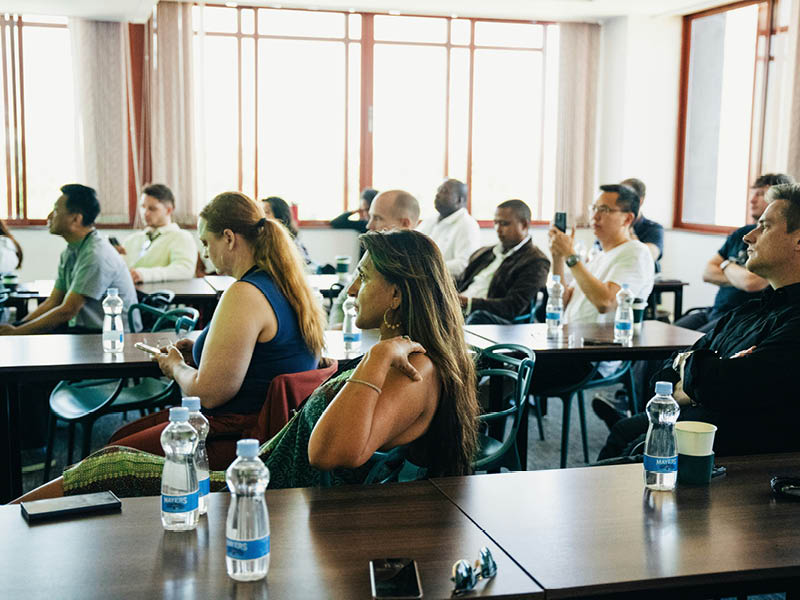
Spatiality, Capital and Law: Exploring the (Re)production of Wealth in Latin America" examines the disputed geographies of wealth production in Latin America, exploring how law, geographic space, and capital intertwine within the region’s hierarchical and rentier capitalism. Through an interdisciplinary approach combining spatial theory, critical political economy, and environmental law, students develop critical thinking tools to analyze the economic, political, and socio-environmental dynamics shaping resource extraction and territorial transformation. The course connects theoretical frameworks with concrete Latin American cases, from extractivism and socio-environmental conflicts to ecological transition and territorial justice.